
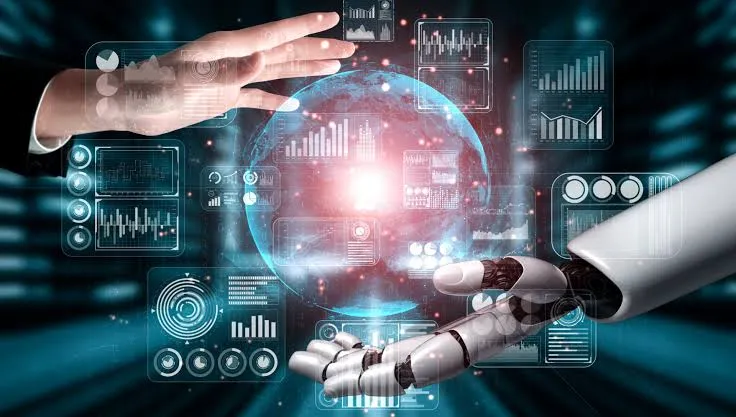
Technology continues to transform the way people communicate, work, learn, and manage everyday activities. From artificial intelligence and cloud computing to cybersecurity and intelligent automation, digital innovation has become an important part of modern society. Businesses are increasingly adopting advanced technological solutions to improve productivity, simplify operations, and deliver better experiences to customers. In this changing environment, understanding new technology concepts and their potential applications can help individuals and organizations make more informed decisions. Etherions technical represents an interesting subject to explore within the broader conversation about digital development, technical knowledge, and modern innovation.
As digital systems become more interconnected, the importance of understanding how technology works is growing. People are no longer interested only in using digital products; they also want to understand the systems, processes, and ideas that support them. This includes learning about software development, data management, network security, automation, and emerging digital infrastructure. Exploring etherions technical provides an opportunity to discuss these wider technological themes while considering how technical awareness can support innovation, efficiency, and responsible digital growth.
Understanding the Meaning of Modern Technical Innovation
Technical innovation refers to the development and improvement of tools, systems, software, and processes that solve practical problems. It includes everything from creating efficient applications to developing intelligent systems that can analyze information and support complex decisions. Innovation does not always require inventing something completely new. Sometimes, improving an existing process, making software easier to use, or strengthening digital security can deliver significant benefits.
For example, a business that previously managed customer information through spreadsheets might introduce a centralized digital platform. This change can reduce repetitive work, improve information accuracy, and make important records easier to access. Similarly, an educational institution can adopt digital learning platforms to provide students with flexible learning opportunities. These examples demonstrate how technical improvements can influence everyday activities without requiring users to understand every detail of the underlying technology.
The broader discussion surrounding etherions technical can be connected with this continuous development. Understanding technical concepts helps users recognize the importance of reliable infrastructure, efficient software, and well-planned digital solutions. It also encourages people to look beyond temporary technology trends and focus on improvements that provide practical long-term value.
The Role of Artificial Intelligence in Technical Development
Artificial intelligence has become one of the most influential areas of modern technology. AI systems can process large amounts of information, recognize patterns, generate content, and assist with decision-making. Businesses use these capabilities in customer support, marketing, financial analysis, product recommendations, and operational management.
One important development is the increasing availability of generative AI. These systems can produce written content, summarize documents, assist with programming, and generate creative ideas. For example, a software developer may use an AI assistant to identify errors in a section of code or understand an unfamiliar programming concept. However, human review remains necessary because automatically generated information may contain mistakes or incomplete explanations.
AI is also improving business productivity through intelligent automation. Instead of requiring employees to complete every repetitive task manually, organizations can use automated systems to organize information, process routine requests, and identify unusual patterns. This allows employees to spend more time on creative thinking, customer relationships, and strategic planning.
From the perspective of etherions technical, artificial intelligence highlights the importance of understanding how emerging technologies interact with existing digital systems. Successful implementation requires suitable infrastructure, accurate information, security controls, and responsible human supervision.
Cloud Computing and the Growth of Digital Infrastructure
Cloud computing has changed how individuals and businesses store information and access software. Traditionally, organizations needed to maintain physical servers and manage much of their technology infrastructure internally. Cloud services provide an alternative by allowing users to access computing resources through internet-connected platforms.
One of the biggest advantages of cloud computing is flexibility. Businesses can increase or decrease their computing resources depending on their requirements. A small organization may begin with limited storage and processing capacity before expanding as its customer base grows. This approach can reduce the need for substantial initial hardware investments.
Cloud platforms also support collaboration. Employees working from different locations can access shared documents, applications, and project information. Teams can update files, communicate through digital tools, and coordinate activities without being physically present in the same office.
However, cloud adoption also creates responsibilities. Organizations must consider access permissions, data protection, backup procedures, service reliability, and compliance requirements. A poorly configured cloud environment can expose confidential information or create unnecessary operational risks.
Understanding these factors is important when exploring etherions technical because digital development depends not only on adopting advanced tools but also on maintaining the infrastructure that supports them.
Cybersecurity and the Importance of Digital Protection
As more personal and business activities move online, cybersecurity has become an essential part of technical development. Cybersecurity involves protecting computers, networks, applications, and digital information from unauthorized access, attacks, and misuse.

Cyber threats continue to evolve. Phishing messages, ransomware, stolen passwords, malicious software, and social engineering can affect individuals as well as large organizations. Attackers often exploit human mistakes rather than relying exclusively on complicated technical weaknesses. For instance, an employee might accidentally provide login information after receiving a convincing message that appears to come from a trusted service.
Organizations therefore need a combination of technology, policies, and employee awareness to reduce security risks. Important protective practices include:
-
Using strong and unique passwords for different accounts.
-
Enabling multifactor authentication wherever possible.
-
Updating operating systems and applications regularly.
-
Creating secure backups of important digital information.
-
Training employees to recognize suspicious messages and online activity.
These measures cannot eliminate every possible threat, but they can significantly improve an organization’s security position.
Another important consideration is data privacy. Companies should collect only the information they genuinely need and explain how customer information is stored and used. Responsible data management helps build trust and reduces the possibility of unnecessary exposure.
Software Development and Modern Programming Practices
Software development is another major component of the modern technical environment. Applications, websites, business platforms, and mobile services all depend on programming languages and development frameworks. As user expectations increase, developers must create software that is reliable, accessible, secure, and easy to maintain.
Modern development practices often involve collaboration between designers, programmers, testers, and project managers. Instead of waiting until an entire application is completed, teams frequently divide projects into smaller stages. Each stage can be tested, reviewed, and improved before additional features are introduced.
This approach helps identify problems earlier and makes it easier to respond to changing requirements. For example, an online shopping platform might initially introduce product browsing and account registration. Payment processing, order tracking, and personalized recommendations can then be developed in later stages.
Programming technologies also continue to evolve. JavaScript, Python, Java, and other languages support different development requirements. Frameworks and libraries make it possible to build applications more efficiently, although developers still need a strong understanding of programming fundamentals.
The technical ideas associated with etherions technical can be examined through this broader development process. Understanding how software is planned, built, tested, and maintained offers valuable insight into the foundations of digital innovation.
How Automation Is Improving Business Efficiency
Automation is changing how organizations handle repetitive and time-consuming activities. It involves using software, machines, or connected systems to perform tasks with limited manual intervention. Businesses increasingly use automation to improve consistency, reduce delays, and manage larger workloads.
For example, an online retailer can automatically send order confirmations, update inventory records, and generate shipping notifications. A financial department may use automated systems to organize invoices and identify transactions that require additional review. These processes reduce repetitive administrative work and help employees focus on activities that require human judgment.
Automation is also becoming important in manufacturing. Modern production facilities can use connected machines, sensors, and monitoring software to track equipment performance. When a machine begins showing unusual operating patterns, maintenance teams may receive an alert before a serious failure occurs.
Nevertheless, automation requires careful planning. Organizations must evaluate whether a process is suitable for automation, how the system will handle unexpected situations, and who will remain responsible for reviewing its results.
Important Technology Areas and Their Practical Applications
Different technology fields contribute to digital development in different ways. Understanding their individual roles makes it easier to identify suitable solutions for personal, educational, and professional requirements.
| Technology area | Main purpose | Practical application |
|---|---|---|
| Artificial intelligence | Analyzing information and supporting decisions | Customer service and content assistance |
| Cloud computing | Providing online computing resources | Remote collaboration and data storage |
| Cybersecurity | Protecting digital systems and information | Account protection and threat monitoring |
| Automation | Reducing repetitive manual work | Inventory and workflow management |
| Internet of Things | Connecting physical devices | Smart homes and industrial monitoring |
| Data analytics | Identifying patterns in information | Business planning and performance analysis |
These technologies frequently work together rather than operating independently. For example, a smart manufacturing system may use connected sensors to collect information, cloud infrastructure to store it, analytics software to identify patterns, and automation to adjust certain operations.
This combination demonstrates why technical knowledge increasingly requires an understanding of how different systems interact.
The Internet of Things and Connected Digital Environments
The Internet of Things, commonly known as IoT, describes physical devices connected through digital networks. These devices collect and exchange information using sensors, software, and communication technologies.
Smart home equipment is a familiar example. Connected lighting systems, thermostats, security cameras, and appliances allow users to monitor or control different household functions through digital applications. These systems can improve convenience and help users manage energy consumption.

Industrial IoT applications are often more complex. Factories can install sensors on equipment to monitor temperature, vibration, pressure, and operating conditions. This information helps maintenance teams understand equipment performance and identify potential problems.
However, connected devices also introduce security concerns. Devices with weak passwords, outdated software, or unnecessary network permissions can become entry points for cyberattacks. Manufacturers and users must therefore consider security throughout the device lifecycle.
Technical Education and the Importance of Continuous Learning
Technology changes quickly, making continuous learning important for students, professionals, and business owners. Knowledge that was sufficient a few years ago may no longer cover the latest software practices, security requirements, or development methods.
Technical education does not always require a formal university degree. People can develop practical knowledge through online courses, programming exercises, documentation, workshops, and independent projects. The most effective learning approach often combines theoretical understanding with hands-on experience.
For instance, someone interested in web development can begin by learning HTML, CSS, and JavaScript. After understanding the fundamentals, they can explore modern frameworks, responsive design, application programming interfaces, and database integration. Building a small project helps transform theoretical knowledge into practical ability.
When researching etherions technical, readers can also benefit from developing a habit of evaluating technical information carefully. Understanding basic terminology, comparing different approaches, and testing concepts through practical examples can improve confidence and decision-making.
Challenges Facing the Modern Technology Industry
Despite its many advantages, technological development involves several challenges. One major issue is the increasing complexity of digital systems. As businesses adopt more applications and connected services, managing compatibility, security, and performance becomes more difficult.
Another challenge involves the cost of implementation. Advanced software, specialized equipment, professional training, and ongoing maintenance can require substantial investment. Smaller businesses may find it difficult to adopt technologies that are designed primarily for large organizations.
Privacy is another important concern. Digital platforms frequently process personal information, including contact details, purchasing patterns, location-related information, and account activity. Without suitable safeguards, this information may be exposed, misused, or accessed without proper authorization.
The digital skills gap also remains significant. Organizations may invest in advanced tools but struggle to find employees who understand how to operate and maintain them. This makes technical training and workforce development important parts of long-term technology planning.
These challenges show that successful innovation requires more than purchasing new software or adopting popular technologies. It depends on responsible planning, practical knowledge, reliable infrastructure, and ongoing improvement.
Future Trends That May Shape Technical Innovation
The future of technology is likely to involve greater integration between artificial intelligence, automation, cloud infrastructure, and connected devices. These developments could create more responsive digital environments in which information is processed and acted upon with greater efficiency.
Edge computing is one area receiving attention. Instead of sending every piece of information to a centralized cloud server, edge computing allows certain processing activities to take place closer to the devices generating the data. This can reduce delays and support applications that require rapid responses, including industrial monitoring and connected transportation systems.
Another important area is quantum computing. Although practical applications remain limited and many technical challenges continue, quantum computing research may eventually contribute to specialized problems involving scientific simulation, optimization, and complex calculations.
Green technology is also becoming increasingly relevant. Data centers, connected devices, and large computing systems require electricity and physical resources. More efficient hardware, improved cooling systems, renewable energy integration, and responsible equipment recycling can help reduce environmental impacts.
As these technologies develop, the broader subject of etherions technical becomes relevant to discussions about how technical knowledge can help people understand emerging opportunities and evaluate their practical value.
How Businesses Can Adopt Technology More Effectively
Businesses should approach technological adoption with clear objectives rather than following every new trend. A solution that works well for one organization may not be appropriate for another. Before investing in a digital platform, decision-makers should identify the problems they want to solve and determine how success will be measured.
A practical implementation process generally includes understanding existing operations, evaluating suitable tools, preparing employees, testing the chosen solution, and reviewing performance after deployment.
For example, a small business planning to introduce customer relationship management software should first understand how customer information is currently collected and organized. It should then compare suitable platforms, consider data protection requirements, and train employees to use the new system effectively.
Businesses should also review their technology investments regularly. Software requirements change, security threats develop, and customer expectations evolve. Regular assessments help organizations identify outdated systems and opportunities for improvement.
Conclusion
Technology continues to influence almost every part of modern life, creating opportunities for better communication, improved productivity, stronger security, and more efficient business operations. Artificial intelligence, cloud computing, cybersecurity, software development, and automation are among the major areas shaping this transformation. Each field offers different advantages, but their combined impact is particularly important as digital systems become increasingly connected.
Understanding etherions technical within the wider context of technological development encourages readers to explore how modern digital solutions work and why responsible implementation matters. Rather than focusing only on emerging trends, individuals and organizations should prioritize practical knowledge, reliable infrastructure, data protection, and continuous learning.
The future of technical innovation will depend on how effectively people combine new technologies with human creativity, critical thinking, and responsible decision-making. By developing these capabilities, businesses and individuals can adapt to changing digital requirements and make better use of the opportunities offered by an increasingly connected world.